

4 min read
Tap to pay is a simple convenience, but a valuable one at that. The entire interaction takes seconds, carrying a level of speed and ease that customers now expect every time they reach the checkout.
What’s easy to miss is how much coordination sits behind that moment. Technologies like near-field communication (NFC), mobile wallets, and tokenization are working together in real time to move sensitive payment data securely, without ever exposing the details that used to travel through traditional transactions.
For businesses, this shift is influencing how quickly lines move, how seamless the experience feels, and how customers decide where they want to spend. Understanding how tap to pay works gives context to why it has become the standard and what it takes to support it properly.
What Is Tap to Pay? Why Has It Become the Default?
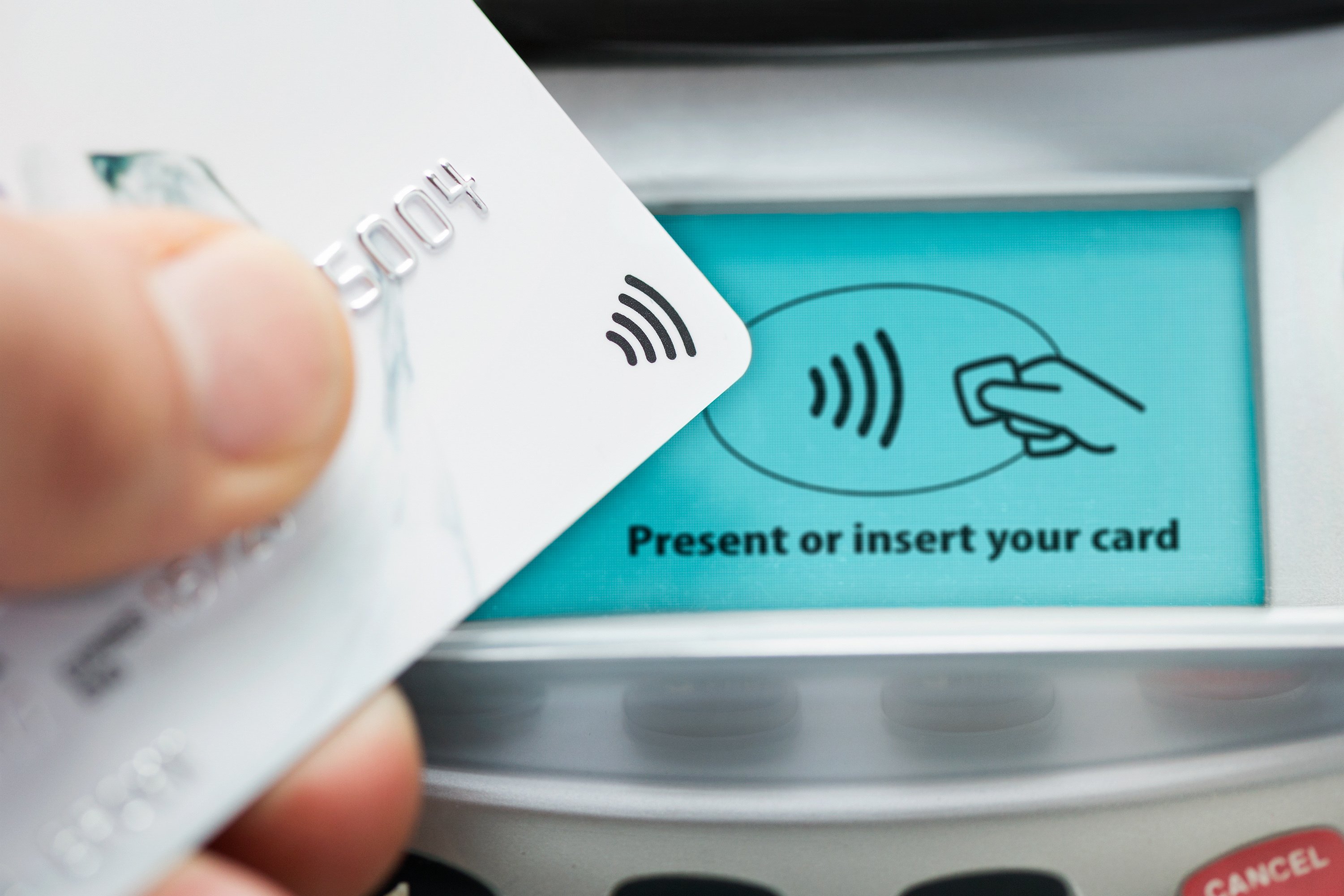
Tap to pay is a form of contactless payment that allows customers to complete a transaction by bringing a card, smartphone, or wearable device close to a payment terminal. There’s no physical contact required and no need to insert a card or enter details manually for most purchases.
What’s changed over the past few years is how quickly this behaviour has scaled. Contactless payments were once seen as a nice-to-have feature, used occasionally for small transactions. Today, they’ve become the path of least resistance.
In Canada, credit card contactless payments made up 57% of total contactless transaction volume in 2025, including both physical cards and mobile devices. At the same time, in-store mobile contactless payments grew by 42% and now account for 23% of total contactless volume. What was once an emerging behaviour is now firmly embedded in how people pay day to day.
Part of the momentum comes down to familiarity. Most consumers carry at least one contactless-enabled device, whether it’s a card with a built-in chip or a mobile wallet on their phone. The experience is consistent across environments, from retail stores to transit systems to quick-service restaurants, which reinforces the habit.
For businesses, this change has practical implications. Payment speed directly affects throughput, especially in high-volume environments. The smoother the transaction, the less friction at the point of sale. Over time, that adds up to shorter lines, more completed purchases, and an experience that feels aligned with how customers expect to pay today.
How Tap to Pay Works
That quick tap sets off a sequence of events that happens in seconds. Broken down, it looks like this:
1. The connection is established
When a customer taps their card or device near the terminal, near-field communication (NFC) creates a short-range, secure connection between the two.
2. Payment details are transmitted securely
The device sends encrypted payment information to the terminal. At this stage, sensitive card data is not exposed in its original form.
3. The transaction is routed for approval
The terminal passes the request through the payment processor, then to the card network, and on to the issuing bank.
4. The bank verifies the transaction
The issuing bank checks the details, confirms sufficient funds or credit, and assesses any potential risk.
5. Approval is sent back to the terminal
A response travels back through the same chain. If approved, the transaction is completed and the terminal confirms it almost instantly.
From the customer’s perspective, this entire process is nearly invisible. For businesses, it delivers a faster checkout experience while maintaining the same level of authorization and security that sits behind every card transaction.
The Technology Behind Tap to Pay: NFC Explained
At the centre of tap to pay is near-field communication, or NFC. It’s the technology that allows a payment device and terminal to recognize each other and exchange data the moment they’re brought close together.
NFC works over a very short distance—typically just a few centimetres. This limited range ensures that a transaction only happens when a customer is physically present at the terminal, reducing the risk of unintended or intercepted communication.
When a card or mobile device enters that range, the terminal creates a field that powers the chip and initiates the exchange. From there, the two devices communicate almost instantly, transferring encrypted payment information and triggering the authorization process.
You can think of NFC as the handshake that starts the entire transaction. It’s quick, controlled, and designed to happen only when both sides are in the right place at the right time.
Where Mobile Wallets Fit In
Tap to pay isn’t limited to physical cards. Mobile wallets have expanded what that tap can look like, turning smartphones and wearables into fully functional payment devices.
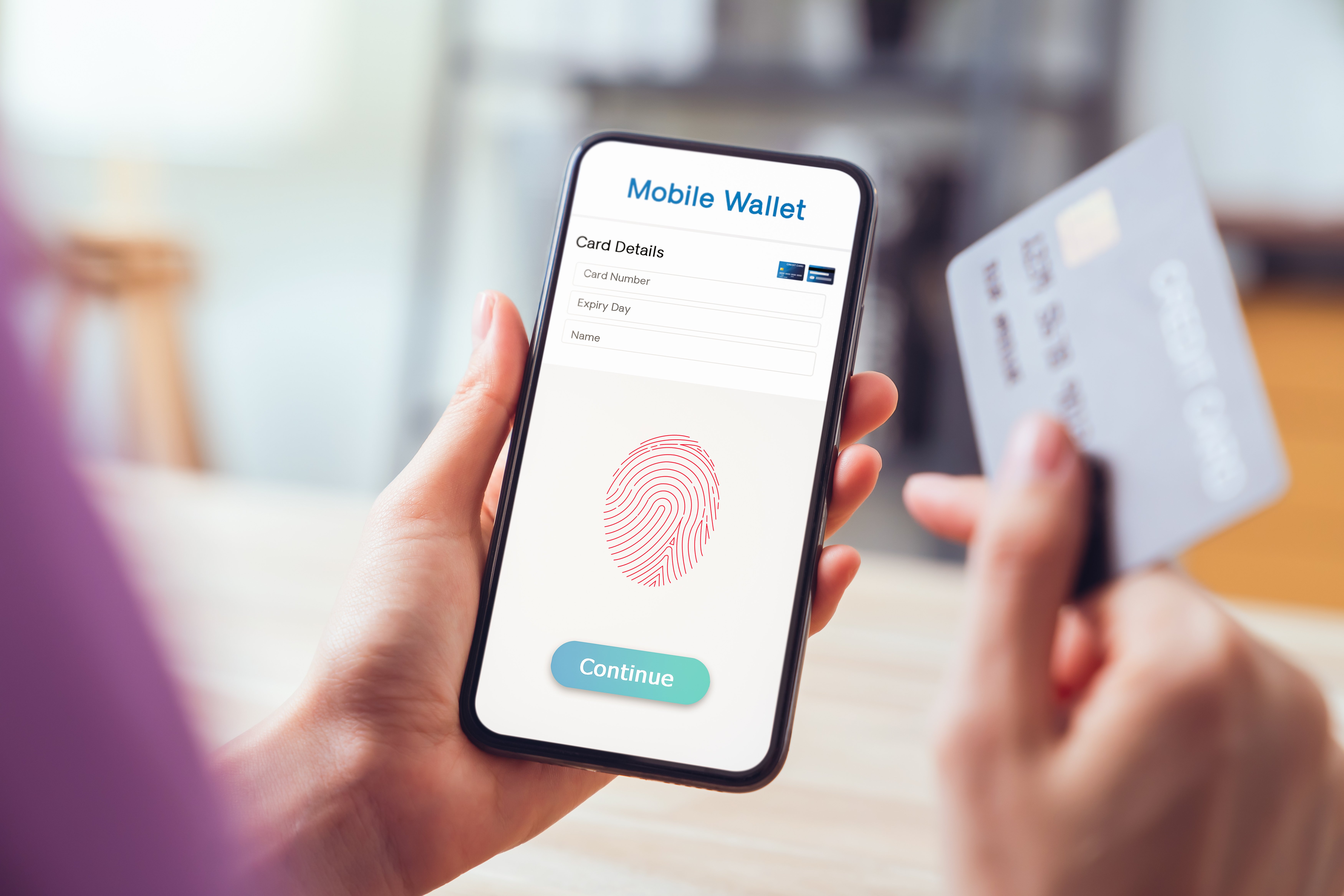
A mobile wallet stores a digital version of a customer’s card on their device. When they tap their phone or watch at the terminal, it uses the same NFC connection to initiate the transaction. From the outside, the experience looks nearly identical to tapping a card, but there’s an added layer of control built into the device itself.
Most mobile wallets require some form of authentication before completing a payment, such as Face ID, fingerprint recognition, or a passcode. This means the device needs to be unlocked and verified before the transaction is approved, adding another step that helps protect against unauthorized use.
Adoption has grown quickly alongside contactless cards. As more customers rely on their phones for everyday tasks, payments have naturally followed. For businesses, supporting mobile wallets is part of meeting customers where they already are. It expands the range of accepted payment methods without adding complexity at the point of sale, and helps ensure the checkout experience feels seamless regardless of how someone chooses to pay.
What to Look for in a Tap to Pay Solution
As tap to pay becomes standard, the focus shifts to how well your setup supports it day to day. The right solution should accept both contactless cards and mobile wallets, meet current security standards, and fit seamlessly into your existing systems without slowing down the checkout experience.
More than anything, consistency matters. Customers expect every tap to work the same way every time, and your payment infrastructure plays a direct role in delivering that.
If you’re evaluating your setup or planning to expand your capabilities, explore how Digital Commerce Payments supports fast, secure tap to pay solutions.